

By Ashok Prasad, Founder, Niyyam
Published: March 2026
Introduction
You may have seen advertisements like:
- “New Fund Offer – Invest at ₹10 NAV”
- “Limited time opportunity”
- “Early investor advantage”
These promotions often create excitement among investors.
The natural question is:
Should you invest in NFOs, or stick to existing mutual funds?
Many investors assume NFOs are cheaper and offer better growth because of the ₹10 starting price.
But the reality is very different.
Before deciding, it is important to understand how mutual funds work in India (complete beginner guide) so that you don’t fall into common misconceptions.
Should You Invest in NFO?
Most investors should avoid NFOs and prefer existing mutual funds with proven track records, unless the NFO offers a truly unique investment strategy.
💡 Key Takeaways
- ₹10 NAV does not make an NFO cheaper
- Lack of track record makes evaluation difficult
- Most NFOs underperform established funds
- NFOs are useful only in specific cases
- Proven funds are generally a better choice
What is an NFO (New Fund Offer)?
An NFO is the initial launch of a mutual fund scheme.
Basic Understanding
| Term | Meaning |
|---|---|
| NFO | New mutual fund scheme |
| NAV | Usually ₹10 at launch |
| Objective | Raise investor capital |
Insight
NFO is similar to an IPO, but for mutual funds — not stocks.
Biggest Myth: ₹10 NAV Means Cheap
This is one of the biggest misconceptions.
NAV Comparison
| Investment | NAV | Units | Total Value |
|---|---|---|---|
| NFO | ₹10 | 100 units | ₹1,000 |
| Existing Fund | ₹100 | 10 units | ₹1,000 |
Insight
NAV has no impact on your returns — it only represents the unit price.
Why Investors Get Attracted to NFOs
Common Reasons
| Reason | Reality |
|---|---|
| Low NAV (₹10) | Psychological bias |
| Early entry | No guaranteed advantage |
| Marketing campaigns | High influence |
| Fear of missing out | Emotional decision |
Insight
Most NFO investments are driven by emotion, not logic.
Types of NFOs (Understanding Categories)
NFO Categories
| Type | Description |
|---|---|
| Equity NFO | Invests in stocks |
| Debt NFO | Invests in bonds |
| Hybrid NFO | Mix of equity and debt |
| Index NFO | Tracks a benchmark index |
Insight
Index NFOs are generally safer compared to actively managed NFOs.
Advantages of NFOs
There are limited situations where NFOs can be useful.
Potential Benefits
| Benefit | Explanation |
|---|---|
| New strategy | Unique investment approach |
| Clean portfolio | No legacy holdings |
| Innovation | Exposure to new themes |
Insight
NFOs are beneficial only when they offer something truly different.
Disadvantages of NFOs
This is where investors need to be cautious.
Key Risks
| Risk | Impact |
|---|---|
| No track record | High uncertainty |
| Unknown performance | Difficult to evaluate |
| Fund manager execution | Unproven |
| Lock-in (some funds) | Limited flexibility |
Insight
Investing in an NFO is like investing without historical data.
NFO vs Existing Mutual Funds
Comparison Table
| Factor | NFO | Existing Fund |
|---|---|---|
| Track record | None | Available |
| Risk | Higher | Lower |
| Performance clarity | Low | High |
| Decision confidence | Low | High |
Verdict
Existing funds are usually a better and safer choice.
Are NFOs Better for Long-Term Investing?
Many investors believe:
“If I invest early, I will benefit more.”
Reality Check
| Factor | NFO | Existing Fund |
|---|---|---|
| Entry advantage | No | |
| Long-term returns | Uncertain | |
| Performance visibility | None |
Insight
Long-term success depends on fund quality, not entry timing.
When Should You Consider an NFO?
Valid Scenarios
| Situation | Reason |
|---|---|
| New category launch | No alternatives exist |
| Unique investment theme | Innovation |
| Index funds | Passive strategy |
Insight
NFOs should be considered only when they add real value.
When Should You Avoid NFOs?
Avoid If
- You are a beginner
- You do not understand the strategy
- Similar funds already exist
- You are influenced by marketing
Insight
Avoid NFOs if your decision is based on price or hype.
Should You Invest in NFO or Wait?
Decision Framework
| Scenario | Action |
|---|---|
| Unique strategy | Consider |
| Similar alternatives available | Avoid |
| Unclear strategy | Avoid |
Insight
Waiting is often better than rushing into an NFO.
Performance Reality of NFOs
Observations
| Observation | Reality |
|---|---|
| Most NFOs outperform | False |
| Some NFOs succeed | Rare |
| Established funds dominate | True |
Insight
Most long-term winners are established funds, not NFOs.
SIP Investors: Should You Invest in NFO?
SIP Strategy
| Scenario | Recommendation |
|---|---|
| Long-term investing | Avoid NFO |
| Proven funds available | Choose them |
| Experimental allocation | Limit exposure |
Insight
For long-term discipline, refer to can SIP make you crorepati real numbers time and strategy, which explains consistency-driven wealth creation.
Better Alternatives to NFOs
Smart Options
| Strategy | Benefit |
|---|---|
| Invest in proven funds | Lower risk |
| Diversify portfolio | Better stability |
| Use index funds | Low cost |
To build a balanced portfolio, refer to how many mutual funds should you have in your portfolio (2026 guide).
Common Mistakes Investors Make
Mistakes
- Investing based on ₹10 NAV
- Falling for marketing campaigns
- Ignoring existing better funds
- Not understanding the fund strategy
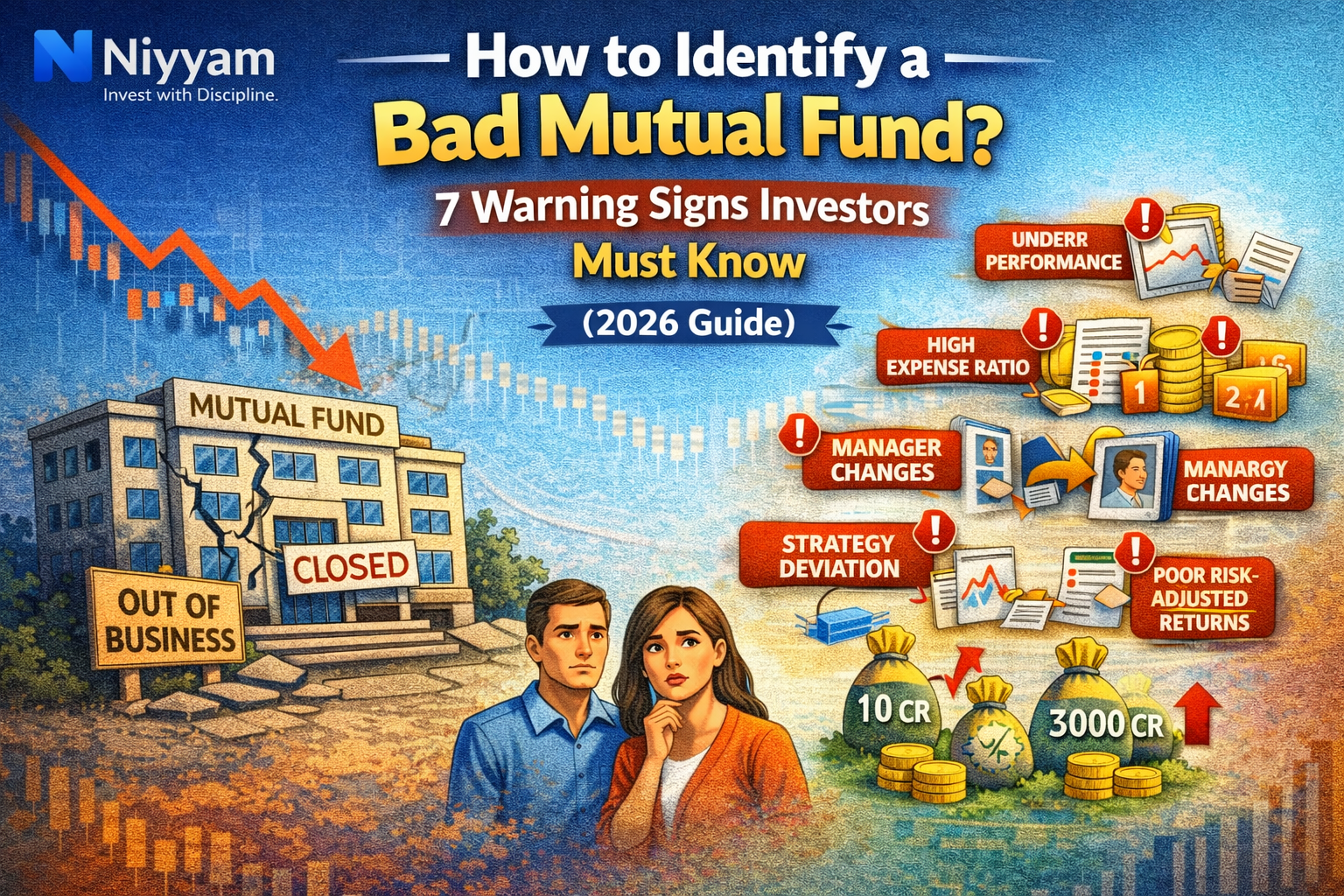
To avoid poor choices, refer to how to identify a bad mutual fund warning signs investors must know, which helps you filter weak funds.
Decision Snapshot
Quick Checklist
| Question | Yes/No |
|---|---|
| Is strategy unique? | |
| Are alternatives unavailable? | |
| Do I understand the fund? |
Insight
If most answers are “No”:
Avoid the NFO.
Frequently Asked Questions (FAQs)
Is it good to invest in NFO?
NFOs are generally not recommended unless they offer a unique investment opportunity.
Why is NAV ₹10 in NFO?
₹10 is just a starting price and does not indicate value or performance.
Are NFOs risky?
Yes, they carry higher uncertainty due to a lack of a track record.
Should beginners invest in NFO?
No, beginners should prefer established funds.
Final Verdict
NFOs are not inherently bad — but they are often misunderstood.
Reality Summary
- NFO ≠ Cheap
- NFO ≠ Better
- NFO ≠ Guaranteed returns
Final Thought
Smart investors focus on:
- Proven performance
- Consistency
- Risk management
Not:
- Marketing
- Hype
- ₹10 NAV illusion
If you stay disciplined:
You will make better long-term investment decisions.
Disclaimer
This content is for educational purposes only and does not constitute investment advice.
Mutual fund investments are subject to market risks. Investors should read all scheme-related documents carefully before investing and consider their financial goals, risk tolerance, and investment horizon
Share this guide with your friends, family, and colleagues to help them make better financial decisions.
If this article helped you, share it with at least one person who needs this guidance.
Leave a Reply